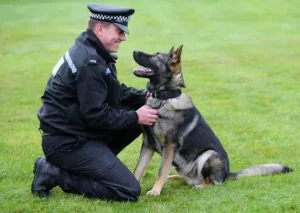
Picture a dog working a live search late at night. Wind rattles metal fences, radios crackle. Somewhere in the dark, a figure moves. The dog leans into its harness, alert, controlled, ready. What separates a frantic leap from a clean, purposeful response is often the quiet force people overlook: handler bonding dog performance. This bond is not sentimental padding. It is the hidden part of the job that shapes decisions, reaction speed, and trust under stress.
A strong working pair acts as one. This article digs into why that happens, how it happens, and why the relationship matters more when pressure climbs.
Table of Contents
Why Handler Trust and Connection Matter in Security Work
Security deployments are rarely tidy. Noise, threat, fatigue, new smells, unknown sites, and unpredictable people collide at once. A dog trained only on textbook drills may freeze or overreact in those conditions. A bonded pair often doesn’t.
Instinct Meets Learned Behaviour
Dogs come with a drive built into their bones. Herding dogs move livestock, hunting dogs trail targets, and guard breeds protect, but instinct by itself needs shaping. Bonding shapes raw drive into controlled action.
One dog obeys because a command is given. Another moves because it trusts the handler and understands the job. The gap widens in real cases, where choices happen fast, and rules bend. That is the core difference behind handler bonding dog performance, where instinct and trust merge into reliable action.
The Role of Emotional Regulation
A handler’s heartbeat matters more than most training manuals admit. Dogs read tension long before humans speak. A tight jaw, stiff arms, a rushed tone, dogs absorb it. Calm leadership flows the same way.
Handlers who carry stability, even while their pulse climbs, create steadier dogs. One spike of fear or frustration can ripple into hesitation, late alerts, or awkward searches.
The Science Behind Stress, Bonding, and Canine Decision-Making
Dogs and people are chemically wired to connect. Shared work reinforces it. Touch, eye contact, and predictable tone all spark oxytocin in both species. That hormone isn’t “love potion”; it builds trust, attention, and memory retention.
Shared Communication Loops
Partnership shows itself in the smallest cues. A breath shifts, the leash moves, and the handler adjusts a stride before anything happens.
Words fade in loud or stressful spaces, radios jam, and voices get drowned out. Sound is the smallest part of how they communicate. The real signal is sensing the next shift before it happens.
Predictive Behaviour in Bonded Teams
A bonded dog often moves before a cue finishes. It anticipates direction based on patterns lived again and again. That predictive split-second can:
- Prevent a bite too early
- Catch a hidden suspect
- Avoid a doorway that hides a threat
Timing becomes survival, not choreography.
Handler Bonding Dog Performance
This is where theory turns into muscle. A handler and dog in sync behave like a single working organism instead of two actors negotiating every step. Under real pressure, that difference is massive.
Bonding works as a tactical multiplier. Not because the dog “likes” the handler more, but because trust clears away hesitation. The dog knows who it works for, what matters, and when to commit. The handler reads the dog’s teeth, tail, shoulders, and eyes, small signals that another handler might miss entirely.
Task Execution vs Decision-Making
Most green dogs can perform tasks, such as sit, track, bite, return, and alert. Decision-making, though, is another tier. A bonded dog:
- Chooses to push harder into a search line
- Holds a bite in measure, not frenzy
- Shifts tactics when the handler’s tone changes
- Checks in frequently without being told
This is where reliability under pressure rises. Under stress, handler dog bonding becomes the hidden engine that keeps the dog thinking rather than reacting. It matters most when instinct wants to take over.
Threat Perception and Trust
Working dogs read the world through scent first, sight second, and handler third. But when uncertainty peaks, unknown buildings, shifting winds, and hidden suspects, the handler becomes the dog’s reference point. Trust shrinks ambiguity.
A bonded dog knows the handler will not lead it into deadly chaos without cause. That assurance lets the dog give effort without doubt.
The Handler as Anchor Point
When sights, sounds, and smells blur in tough environments, whether in a riot or a dark warehouse, nothing feels solid. The handler is the constant the dog stays connected to.
Many seasoned handlers admit that dogs “check back” more often when unsure. Those micro check-ins aren’t a weakness. They’re recalibrating. The bond gives the dog courage to press forward and remain steady.
Performance Areas Shaped by Bond
- Tracking accuracy: A bonded dog stays focused even when a distraction tries to lure it. Handler tone cues pace and direction.
- Bite hesitation and controlled response: Dogs bonded to handlers balance drive with judgment decisive, but not reckless.
- Search radius discipline: Dogs maintain the invisible tether to their handler rather than drifting too wide.
- Alert clarity: Bonded dogs give cleaner signals because they believe their handler will notice.
High-Pressure Scenarios Showing the Bond
- Urban patrols with sensory overload: Flashing lights, echoing alleys. A bonded dog filters noise instead of reacting at random.
- Multi-officer searches: Crowds confuse many dogs. Bond reduces misreads and keeps eyes on the primary leader.
- Low-light or zero-visibility work: When eyes fail, trust fills the gaps.
Two-Way Trust
Bonding is not the handler “owning” the dog. It is the dog anchoring the handler, too. A panicked handler makes mistakes. Dogs stabilise nerves as much as handlers steady dogs. This two-way loop drives consistency, a core trait elite K9 security services depend on.
How Bonding Is Practically Built Into Training
Bonding cannot be rushed or faked. It lives in shared hours and quiet repetition, not slogans. These standards follow the UK Government’s Code of Practice for Working Dogs. It defines the minimum legal requirements for welfare, training, and on-shift handling.
Shared Routines and Predictable Patterns
Simple repetition builds shorthand. Walking fields, loading vehicles, waiting together between deployments, all of it stitches familiarity into instinct.
Trust Through Experience
A dog learns that the handler guards its back. Exposure to varied sites, streets, and buildings reinforces that safety net. Confidence expands in every new place they explore together.
Reward Styles and Communication Consistency
A consistent hand turns ambiguity into clarity. Tone, praise, and correction should all follow a pattern the dog recognises. Mixed signals fracture trust. Clean consistency grows it.
When Bonding Fails: Risks and Real-World Consequences
A poorly matched pair struggles no matter how skilled the dog is on paper. Detachment causes:
- Slower reaction times
- Flat searches
- Overreactions in tense moments
The dog begins working for reward alone, not purpose.
Operational Safety Impacts
You see the consequences on the ground:
- Delayed pursuit
- Sloppy room sweeps
- Lost scent trails
- Missed alerts
No handler wants to learn those lessons on the fly.
Conclusion
Even the most gifted dog cannot reach full operational value without a strong working partnership. Handler bonding dog performance shapes the dog’s judgement, its steadiness when chaos rises, and its willingness to commit at the exact moment the mission demands.
When handler and dog move as one, reliability becomes instinct, not chance, and that is where real K9 performance lives.
Frequently Asked Questions
1. How long does handler bonding take?
Weeks to start; months to deepen; years to perfect through shared work.
2. Does bonding reduce control?
It sharpens it. Trust pulls defensive reactions out of the picture.
3. Can bonding cut command errors?
Yes. Dogs read non-verbal cues faster than spoken ones when trust exists.
4. Do different breeds bond differently?
High-drive breeds bond fast but need guidance; others bond slower but hold it tighter.
5. What if a handler switches dogs?
Performance often dips until a fresh relationship forms, proving the bond matters.