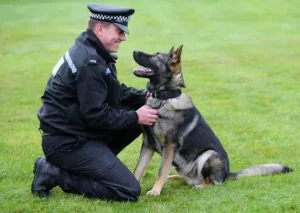
High-risk security alerts leave no room for hesitation. When a real threat is confirmed, response speed decides whether damage is stopped or already done. In these moments, canine units are one of the strongest deterrents available. But dogs are only effective if they arrive early, informed, and ready. That is where technology now changes the outcome. Mobile dispatch tools, verified alarms, and automated triggers remove delays. Together, they enable faster dog deployment during high-risk security alerts. This action goes without guesswork and rushed decisions. Also, it never put handlers or dogs at unnecessary risk.
Table of Contents
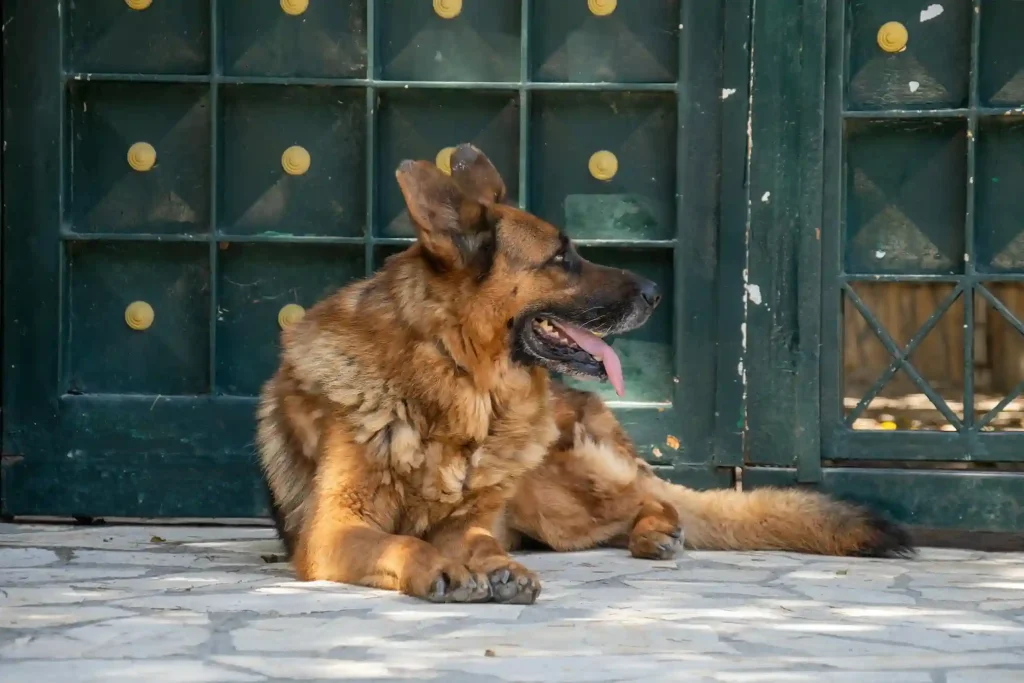
Why Speed Matters During High-Risk Security Alerts
High-risk alerts do not wait. When a confirmed threat appears, every minute shapes the outcome. Faster movement does not mean rushing; it means removing friction. Technology now plays a direct role in making faster dog deployment during high-risk security alerts possible without cutting corners.
Time Compression in High-Risk Incident Escalation
Threats move fast. Machinery theft, perimeter breaches, and hostile presence all escalate in short windows. Delayed canine deployment reduces deterrence. It also gives offenders time to adapt, hide, or escape.
Speed matters because dogs work best when they arrive early. Early presence changes behaviour, and late arrival often means recovery, not prevention.
The Cost of Manual Deployment Decisions
Manual workflows slow everything down:
- Phone calls between control rooms
- Verbal confirmation chains
- Site details relayed under pressure
Each step adds seconds, and seconds add risk to it. Technology removes those steps before they cause damage.
How Video-Verified Alarm Dispatch Accelerates K9 Activation
Visual confirmation changes how decisions are made. It replaces assumptions with clarity and makes better efforts in action. With this, the deployment of dog security seems reliable and faster.
Removing False Positives Before Canine Mobilisation
Not every alert needs a dog. Video verification filters noise:
- Movement confirmed as human, not wildlife
- Location validated before dispatch
- Threat behaviour is visible in real time
This prevents wasted deployments and keeps dogs available for real risk.
Priority Escalation When Visual Threat Is Confirmed
When video confirms intent, escalation becomes automatic. High-risk status is assigned instantly, and dispatch no longer waits for debate. Dogs are activated because evidence exists, not because someone feels unsure.
Mobile Dispatch Systems and Real-Time Handler Activation
Mobile technology moves decisions closer to the handler. This upgrade supports them in providing reliable security and also reduces delays.
SIA-Integrated Mobile Apps for K9 Handlers
Secure mobile platforms align with operational standards set by the Security Industry Authority. Handlers receive alerts directly, not second-hand.
Benefits include:
- Immediate task receipt
- Clear incident classification
- Logged acceptance without phone calls
- This shortens response time without breaking compliance.
One-Touch Deployment and Route Confirmation
Once an alert is accepted, the site details load instantly. Following it, the access points are visible. And the routes are confirmed before movement to enhance their security effort. Handlers who move with context can lead to no confusion. This alone can save minutes and have a better impact on the site.
Canine Biometric Telemetry and Readiness Confirmation
Monitoring Stress, Heart Rate, and Fatigue Indicators
Wearable sensors help to track vital signs easily. It lets us know the dog’s heart rate changes, stress signals and fatigue thresholds.
Dogs are deployed when fit, not a guessed fit. That protects welfare and performance at the same time.
Handler Feedback Loops to Operations Centres
Data flows both ways. If telemetry flags an issue:
- Deployment can pause early
- Backup units activate instead
- Risk is controlled before arrival
This avoids late-stage failures that slow future responses.
Geofence-Triggered Alerts and Automated Site Intelligence
High-risk sites are mapped long before an alert occurs. Geofencing turns known spaces into instant intelligence. It removes hesitation and guesswork at the moment a breach happens.
Pre-Configured High-Risk Zones and Asset Boundaries
Sites are mapped in advance on Fuel storage areas, Machinery compounds and Perimeter breach lanes.
Each zone has defined response rules. No interpretation is needed during an alert.
Automatic Alert Escalation When Boundaries Are Breached
When a boundary breaks, Alert priority jumps instantly. Following it, Canine gets dispatch triggers, as no human review delay occurs in this action.
This is one of the strongest tools for faster dog deployment during high-risk security alerts.
Reducing Human Bottlenecks in High-Risk Canine Deployment
People still matter, but pressure slows manual decisions. Technology reduces that delay. It allows canine deployment to trigger on verified conditions, not phone calls or verbal approval.
From Reactive Dispatch to Trigger-Based Deployment
Modern systems react to events, not opinion:
- Video confirmation
- Geofence breach
- Verified access violation
Dogs deploy when these conditions are met. No waiting. No missed calls.
How Mobile Tech Improves Accountability Without Slowing Response
Automation does not remove control. It records it.
- Clear time stamps
- Movement logs
- Decision trails
Reports are created in the background. Response speed stays high while accountability remains intact.
Operational Outcomes of Faster Dog Deployment Technology
Speed shapes what happens before anyone arrives. When dogs deploy faster and with context, control improves. Risk drops early. Handlers face fewer unknowns. Dogs work in clearer conditions. The response feels calm, not rushed.
Increased Deterrence Through Predictable Rapid Response
Criminals watch how sites respond. When canine response is fast and consistent, sites lose appeal. Early intervention breaks intent. Repeat attempts fall because outcomes become uncertain.
Safer Engagement for Handlers and Dogs
Good information changes the moment of arrival:
- Threat location is known
- Access routes are clear
- Surprise contact is limited
Speed with awareness is safer. It protects handlers, working dogs, and the site.
Conclusion
Technology now plays a direct role in dog deployment in high-risk sites. The focus is no longer speed for its own sake. It is about removing the friction that slows proven responses. Video-verified alarms reduce doubt. Mobile dispatch tools cut waiting time. Geofence triggers push action without delay.
Together, these systems support faster dog deployment during high-risk security alerts without increasing risk to handlers or animals. Dogs arriving earlier can have a better impact on-site. Incidents are disrupted sooner, and sites regain control before damage spreads. In high-risk security, speed backed by evidence delivers safer, more reliable outcomes.
Frequently Asked Questions
1. How does technology enable faster dog deployment during high-risk security alerts?
We see technology removing delays before they appear. Verified alerts, mobile dispatch, and automation mean dogs move when risk is real, not after long confirmation chains.
2. What role does video-verified alarm dispatch play in response speed?
We rely on video to cut doubt. When visual proof exists, canine deployment becomes immediate and justified instead of cautious and slow.
3. Why are SIA-integrated mobile apps important for handlers?
We find them essential. They deliver alerts directly and confirm compliance. They remove phone-based delays that used to slow every deployment.
4. How do geofence-triggered alerts reduce response time?
We use geofencing to remove thinking time. When a boundary breaks, escalation happens instantly without human interpretation.
5. Does faster deployment increase risk to dogs or handlers?
We don’t believe so. With telemetry and live data, deployments are smarter, not rushed. That protects dogs, handlers, and sites at the same time.