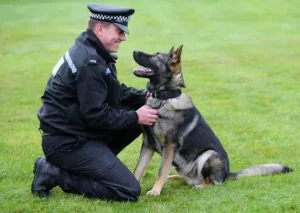
When an alarm goes off, everything moves fast. Lights flash, sirens shout, and you feel a push to react. In those few seconds, the space between doubt and certainty is thin. A human guard will walk in, look around, and then try to understand what set the system off. But a trained dog works in a different way. It doesn’t think about the noise. It doesn’t guess. It moves with purpose, using senses humans cannot match. This is how a dog verify the alarm accuracy far better than any human patrol team.
Table of Contents
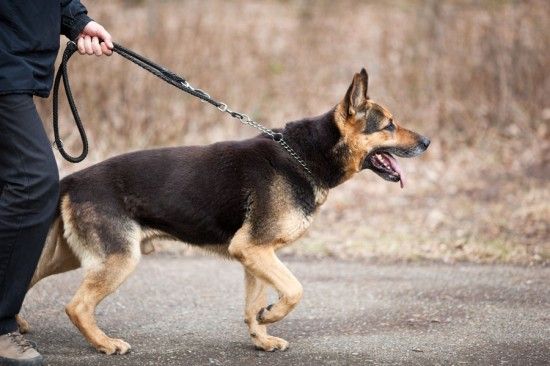
Why K9 Units React Differently to an Alarm Trigger
Dogs don’t pause to weigh options during an alarm. They rely on instincts shaped over the years. Their bodies switch into search mode the moment they step toward the scene.
Their Search Pattern Is Driven by Instinct, Not Stress
A guard might feel pressure when a loud alarm sounds. Even trained people can tense up or move more slowly in the first moments. But a dog does not freeze, and its breathing stays steady with great focus. The noise becomes background while the scent trail becomes the only thing that matters.
Built-In Scent Tracking Gives Immediate Clues
Fresh human scent sits in the air after movement. It clings to doors, gates, and corners. To us, the space looks empty. A dog reads that same spot like a page of bold text. The animal doesn’t need to see an intruder. It only needs a single strand of scent to know someone was there.
Dogs Don’t Get Misled by Environmental Noise
A guard might follow a rustle, a shadow, or a sudden echo. Dogs don’t chase random sounds. They follow scent first. This keeps them on a clean path, even in windy yards, dim warehouses, or long empty corridors where humans often second-guess themselves.
How Security Dogs Cut Through False Alarms
False alarms often waste time and energy. Birds hitting roofs and fences, or heavy winds, can trigger the alarm. Sensors pick up dust, heavy rain, or even spiders, which can also cause the alert. But dogs handle them differently. They can differentiate between them, that’s how a dog verify the alarm accuracy and supports their handler.
Natural Ability to Identify Real Intruder Movements
Real human movement gives off a warm, living signature. Dogs sense heat changes, and they can pick up breathing. They feel body tension hidden behind objects easily. Even a still intruder hiding in silence gives off clues a human can’t notice.
Dogs Read the Environment Faster Than a Human Sweep
A guard must walk around, scan corners, and maybe double back. A dog takes a single breath and already knows which direction to move. Scent concentration forms a line that leads them like a trail. They don’t search the site; they track.
Decision Making Without Bias or Overthinking
Humans think through scenarios and sometimes imagine threats that aren’t there. Dogs only react to what exists. If there is no scent or heat, or movement, they show it. If there is danger, their body language changes at once. It’s a clear yes or no, not a guess.
Operational Examples Where Accuracy Matters Most
Many sites depend on alarm accuracy because delays cost money, safety, and time. In these places, dogs stand out. A trained dog verify the alarm accuracy sooner than a handler, which can alert and prevent threats.
Large Industrial Sites With Multiple Alarm Zones
Some facilities stretch over huge sections. A human patrol might take minutes just to reach the triggered area. A dog arrives and instantly follows scent lines to the active point, skipping empty sections.
Remote Storage Yards and Open Outdoor Spaces
Wide outdoor spaces create guessing games for humans. Faint light and uneven ground make it harder. Dogs don’t rely on sight, which lets them move through darkness with the same confidence as daylight.
Nighttime Patrol Conditions With Limited Visibility
At night, everything slows down for humans. Dogs stay sharp as their senses don’t fade when the lights drop. This is why many night alarms get verified faster and more accurately by K9 teams.
How a Trained Security Dog Verify the Alarm Accuracy
When a trained dog responds to an alarm, the process is clear and controlled. This lets handlers differentiate false alarms from real ones.
Step-by-Step Breakdown of a K9 Alarm Response
The dog approaches with the handler. It takes a quick scent check as its nose maps the air and ground. A dog can move toward the strongest trail, as it can read the perimeter. Also, they can check entrances, and each movement is deliberate. Within moments, it gives a signal calm if nothing’s there, alert if there is.
Why Dogs Give Clearer Positive or Negative Verification
Dogs communicate with their bodies. Tail tension, ear position, stance, breathing. These cues show certainty. A handler sees these tiny messages and knows exactly what the dog is telling them.
Handler + Dog Communication Creates a Closed-Loop Response
The handler reads the dog, and the dog reads the scene. Together, the team closes the gap between alarm and outcome. False alarms end quickly. Real alarms move into action with no delay.
Final Thoughts
Dogs bring accuracy, speed, and instinct to alarm verification. They don’t hesitate or overthink as they rely on instinct. They track what is real and ignore what isn’t. This simple power makes them unmatched when alarms break the silence, and a clear answer is needed fast. That’s how a trained dog verify the alarm accuracy to let no mistakes enter the site.
Frequently Asked Questions
How does a dog know if an alarm is a real threat?
Dogs do follow scent, heat, and movement. If none of those signs are fresh, they know the scene is clear.
Are dogs faster than human patrols when verifying alarm triggers?
Yes, dogs can track a trail within seconds. They’re done with the check even before a person finishes scanning the first corner.
Do dogs reduce the number of false callouts in a security system?
Guards utilise them on-site as a trained dog verify the alarm accuracy far better. If nothing is there, dogs show it right away. If someone is hiding, they lock onto the scent.
Can a trained dog work alongside modern alarm technology?
Yes. Dogs fit into the system as the final verification step, making alarms more reliable.
Why do dogs detect intruders that humans sometimes miss?
Dogs sense things humans can’t—small smells, faint sounds, body heat, and tension.