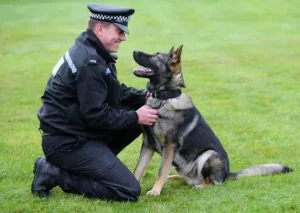
Dangerous situations rarely arrive in neat shapes. They are loud, uneven, and full of movement. People shout. Spaces close in. Decisions compress into seconds. In those moments, no single handler and no single dog controls the outcome alone. Control comes from how the two work together.
This is where dog handler collaboration becomes more than a working phrase. It describes a shared process. One reads instinct, while the other reads context. One reacts faster than thought. The other slows things down just enough to prevent mistakes.
This article looks at that shared space. Not training routines or rules. Not bravado. It focuses on how decisions are shaped together and how risk is read in real time. Trust replaces spoken instruction when pressure removes the chance to think out loud.
Table of Contents
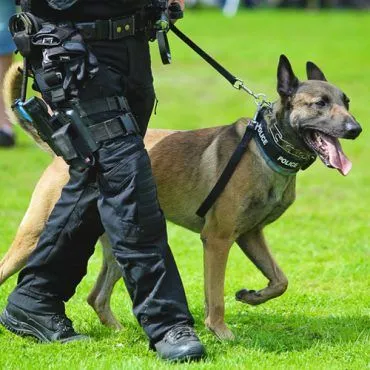
Understanding Collaboration in High-Risk K9 Operations
Why Collaboration Matters More Than Individual Skill
Skill and experience matter. But both have limits under pressure.
Dogs detect threats faster than humans. They sense chemical changes, tension, and movement before a handler can consciously register them. Handlers, in turn, understand the wider context. They read crowds, boundaries, and consequences that a dog cannot interpret.
As pressure increases, gaps form. Collaboration bridges them, with the dog offering early warning and the handler applying judgement. Together, they prevent either side from acting in isolation. This balance matters most when situations shift without warning.
Difference Between Command-Based Handling and Collaborative Response
Commands assume order. They work best when environments are predictable.
- Dangerous situations rarely are.
- Noise disrupts verbal cues.
- Visual signals get lost.
In those moments, collaboration replaces instruction. A shift in posture and a change in leash tension are easy to miss. Even a half-second pause can signal something important.
These are not tricks. They are shared habits built through time and exposure. Collaboration adapts to chaos because it does not rely on perfect conditions to function.
How Dogs Read Danger Before Humans Do
Scent, Micro-Movement, and Behavioural Change Detection
Dogs do not wait for events to unfold. They react to what is about to happen.
- A change in breathing.
- A spike in adrenaline.
- Weight shifting to one foot before movement begins.
These signals arrive before words, before gestures, before intent becomes obvious. Dogs process them quickly and without hesitation.
This ability gives early warning. It does not give certainty. That difference matters.
When a Dog Signals Risk Without an Obvious Cause
A dog may react even when everything seems normal. No voices are raised, no movement stands out, only tension.
Handlers face a choice here. Dismiss the signal or pause long enough to reassess. Trust does not mean blind obedience. It means allowing space for instinct to surface without forcing immediate action.
In high-risk environments, hesitation can be information.
How Handlers Interpret and Regulate Canine Response
Preventing Overcommitment in Volatile Situations
Dogs commit fully once arousal passes a threshold. That commitment is powerful. It is also difficult to reverse.
Handlers regulate that edge. They manage distance, angle, and pace. They slow forward momentum without shutting it down entirely. Containment often matters more than engagement, especially when situations remain unclear.
Reading arousal levels becomes a quiet skill. Too much restraint dulls response. Too little creates risk.
Handler’s Decisions that Protect Both Dog and Environment
Handlers also act as filters. They consider crowd density, confined spaces, and the presence of vulnerable people nearby. A dog may sense a threat, but the handler decides how that response fits into the wider scene.
This regulation protects everyone involved. It keeps reactions proportional and prevents escalation where control would be lost.
Real-Time Decision Sharing in Dangerous Situations
Communication Without Words Under Pressure
Verbal communication collapses first under stress. Noise swallows commands. Distance breaks clarity.
The signals are physical rather than verbal. Leash pressure shifts, body position moves off-line, breathing changes, and micro-pauses break continuity.
These cues form a language built through repetition, not instruction. In moments where seconds matter, this silent exchange carries more meaning than shouted orders ever could.
When the Dog Leads and the Handler Follows
There are times when hesitation from a dog signals danger ahead. A doorway is approached too carefully. A corridor is entered at an angle, with a pause where speed would normally appear.
Handlers learn when to allow that lead. Not forever, and not blindly. But long enough to gather more information. These moments of trust cannot be scripted. They are earned through shared exposure and calm reflection after incidents pass.
This aspect of dog handler collaboration relies on confidence without ego.
When the Handler Overrides Canine Momentum
Clear limits exist. Environmental hazards, legal boundaries, and confined spaces can make engagement unsafe.
Dogs do not see these limits. Handlers do. Override decisions are not corrections. They are protective acts. They redirect energy, reduce distance, or halt progression entirely.
Good handlers override without frustration. They do not punish instinct, but they reshape it.
Managing Unpredictability: Suspects, Crowds, and Confined Spaces
- Crowds distort signals.
- Noise masks intent.
- Movement compresses reaction time.
In these conditions, collaboration becomes a constant adjustment. False threat cues appear. Innocent movement triggers arousal. Handlers regulate pace. Dogs recalibrate focus.
This balance is tested often in operational settings such as dog security services. Environments shift quickly, and control must stay visible without becoming aggressive.
Recovery and Recalibration After High-Risk Engagement
Danger does not end when the situation resolves. Arousal lingers.
- Handlers guide recovery.
- Distance increases.
- Pace slows.
- Focus resets.
- Dogs return to baseline gradually, not instantly.
This recalibration prevents carryover into the next encounter. Recovery is part of control, and ignoring it invites errors later.
Risk, Trust, and Accountability in K9 Collaboration
Trust Built Through Exposure, Not Repetition
Trust grows in uneven conditions. Controlled unpredictability teaches both sides how the other responds under strain. Repetition alone does not create reliability; however, exposure does.
Handlers also learn their own limits. Awareness of hesitation, bias, or overconfidence shapes better decisions later.
Accountability When Decisions Are Shared
Collaboration does not remove responsibility. It concentrates it.
The handler remains accountable for outcomes. Shared decision-making does not dilute liability. It improves judgement. Knowing this keeps collaboration grounded and prevents over-reliance on instinct alone.
This approach mirrors established operational guidance on police dog handling. Responsibility remains with the handler, even when canine instinct informs the response.
Limits of Collaboration and Common Failure Points
Situations Where Collaboration Breaks Down
When fatigue sets in and environments overload the senses, signals are missed, and friction follows. These breakdowns are not failures of intent. They are reminders of human and canine limits. Recognising them early prevents escalation.
Why Not Every Dog-Handler Pairing Succeeds
Temperament matters, so does risk tolerance. Some pairings struggle to align pace and response style. When a mismatch appears, collaboration weakens. Awareness of this reality protects both parties and reinforces the need for honest evaluation.
Conclusion
Control in dangerous situations does not come from force alone. It comes from alignment, timing, and restraint applied at the right moment.
Dog handler collaboration reflects this reality. It is relational rather than hierarchical. One senses. One decides. Both adjust constantly as conditions change. When it works well, action becomes measured rather than reactive.
Adaptability, shared awareness, and quiet trust shape outcomes more reliably than command chains ever could. In unpredictable environments, collaboration remains the most stable form of control available.
Frequently Asked Questions
1. Can dogs make incorrect threat assessments under stress?
Yes. Stress can blur signals, and noise or crowd movement can trigger false responses. This is where the handler brings balance, steadying the dog’s reaction.
2. What happens when a handler and dog disagree in real time?
The handler does not force action and instead pauses to create space and adjust distance. The moment is reassessed, and disagreement becomes information rather than conflict.
3. Does collaboration reduce the need for force in K9 operations?
In many cases, it does. Early awareness allows situations to slow down and control to come sooner. Escalation is avoided because decisions are shared rather than rushed.
4. How long does it take to build reliable collaboration between a dog and a handler?
There is no set timeline. Some partnerships settle quickly, while others take longer. Reliability comes from repeated exposure to real pressure, not speed or shortcuts.
5. How do handlers maintain control when a situation changes suddenly?
Urgency is resisted as movement slows and position changes. The dog is allowed time to reset, reinforcing that control comes from patience.